The Science of a Squeaky Clean Face: Beyond Just Suds and Bubbles
For many, the act of washing your face is a ritual, a simple daily habit bookending our days. We wake up, splash some water on our face, and then before bed, we do it all over again. Yet, beneath the familiar foamy lather lies a world of intricate science, a delicate dance between our skin’s biology and the chemical compounds in our facial cleanser. A deeper understanding of this process is not just for cosmetic chemists; it’s for anyone who seeks to achieve and maintain truly healthy skin.
The fundamental purpose of a facial cleanser is to remove impurities from the skin. But what are these impurities? They are a complex cocktail of things: environmental pollutants, makeup, dead skin cells, and, most importantly, sebum. Sebum is the oily substance produced by our sebaceous glands. It’s not inherently bad; in fact, it plays a crucial role in keeping our skin moisturized and protected. However, when it mixes with sweat and dead skin cells, it can clog pores and lead to blemishes. Cleansers are designed to break down and lift away these substances, leaving the skin refreshed.
At the heart of every cleanser is a class of ingredients known as surfactants. This is where the real magic happens. Surfactants are molecules with a unique dual nature: one end is hydrophilic (water-loving), and the other is lipophilic (oil-loving). Think of them as microscopic magnets for grime. The oil-loving end attaches to the sebum, makeup, and other oily residues on your skin, while the water-loving end allows these newly formed clusters of dirt and oil to be easily rinsed away with water. The classic foamy lather we associate with cleansers is a direct result of these surfactants working their magic. They reduce the surface tension of water, allowing it to mix more effectively with oils.
There is, however, a critical balance to strike. Not all surfactants are created equal. Some, like sulfates, are highly effective at cleaning but can be too aggressive, stripping the skin of its natural oils and disrupting the acid mantle. The acid mantle is a thin, slightly acidic film on the surface of our skin. Its pH is typically between 4.5 and 5.5, and it acts as a crucial barrier against bacteria, viruses, and other pathogens. When a harsh cleanser throws off this pH balance, it can leave the skin feeling tight and dry, and over time, it can lead to increased sensitivity, redness, and a compromised skin barrier. This is a common pitfall for those who feel that a “squeaky clean” feeling is the hallmark of a good cleanse. In reality, that feeling is often a sign of over-stripping.
Modern formulations have moved toward a more gentle approach, utilizing milder surfactants that cleanse effectively without causing such a drastic pH shift. Examples include coco-glucoside, decyl glucoside, and sodium cocoyl isethionate. These ingredients are derived from natural sources, often coconut oil, and are known for their ability to create a creamy, luxurious lather without the harshness. This shift reflects a growing understanding that skincare is not about fighting the skin but working with its natural processes. A good cleanser should not just clean; it should also support the skin’s barrier function.
Beyond the surfactants, a cleanser’s formulation can include a plethora of other beneficial ingredients. Some are designed to provide extra hydration, such as glycerin and hyaluronic acid. These are humectants, meaning they attract moisture from the air and lock it into the skin, preventing the post-wash tightness. Other cleansers are fortified with antioxidants like vitamin E or green tea extract, which help to combat free radical damage from pollution. For those with acne-prone skin, cleansers might contain active ingredients like salicylic acid, a beta hydroxy acid (BHA) that can penetrate oil and exfoliate inside the pores, or benzoyl peroxide, which targets acne-causing bacteria. The key is to choose a cleanser that aligns with your specific skin concerns, not just the one that foams the most.
The temperature of the water used for cleansing is another factor often overlooked. Using water that is too hot can be just as stripping as a harsh cleanser. Hot water can dissolve the natural oils in the skin, leaving it dry and irritated. Lukewarm water is the optimal choice. It is warm enough to help the cleanser emulsify and lift impurities effectively but not so hot that it compromises the skin’s barrier.
The method of application is also key. A gentle, circular motion with your fingertips is all that is needed. Using abrasive tools or scrubbing too vigorously can cause micro-tears in the skin and lead to irritation. Think of it as a massage for your face, not a scrub-down. The process of rinsing is equally important. Ensure all traces of the cleanser are removed, as any residue can lead to clogged pores or irritation.
In conclusion, a facial cleanser is far more than a simple soap. It’s a carefully engineered product designed to work in harmony with your skin’s biology. The journey to a truly healthy complexion starts with understanding the science behind the cleanse. It’s about respecting the acid mantle, choosing ingredients that support your skin’s unique needs, and employing a gentle, mindful technique. By moving beyond the simple act of “washing” and embracing the science of cleansing, we can transform a mundane daily habit into a powerful cornerstone of our skincare routine, paving the way for a radiant, balanced, and resilient complexion.
The Art of the Perfect Wash: Customizing Your Cleansing Routine
The world of skincare can feel overwhelming, a maze of products, ingredients, and conflicting advice. Yet, at the core of every effective routine is a single, non-negotiable step: cleansing. But cleansing isn’t a one-size-fits-all solution. It is an art form, a tailored practice that must be customized to your skin’s unique needs, the time of day, and even the changing seasons. The right facial cleanser, used in the right way, is not just about removing dirt; it’s about preparing the canvas for the rest of your skincare regimen and maintaining the health and vibrancy of your skin over time.
Consider the morning cleanse. For some, a full-on, sudsy wash is the perfect way to feel refreshed and ready for the day. This is especially true for those with oily or combination skin, who may have accumulated excess sebum overnight. A gentle foaming cleanser can effectively remove the overnight buildup without being overly harsh. For others, particularly those with dry or sensitive skin, a simple rinse with lukewarm water may be all that is needed. Waking up with skin that feels tight and dry is a sign that it doesn’t need a deep clean; it needs its natural oils preserved. Using a creamy, hydrating, or gel-to-milk cleanser in the morning can provide a light refresh without stripping the skin of its essential moisture. A morning cleanse should feel invigorating, not draining.
The evening cleanse, on the other hand, is a more serious affair. This is where the concept of the double cleanse comes into play, a method that has gained significant traction in the skincare community for its unparalleled effectiveness. The principle is simple: first, you use an oil-based cleanser, and then you follow up with a water-based one. The first step, the oil cleanse, is designed to dissolve and lift away stubborn, oil-based impurities such as sunscreen, makeup, and environmental pollutants. The principle of “like dissolves like” is at work here. An oil cleanser, whether it’s a dedicated cleansing oil or a cleansing balm, effortlessly melts away these stubborn substances without the need for harsh scrubbing.
Following this first step, the second cleanse with a water-based product (a foaming, gel, or cream cleanser) is used to remove any remaining residue and to cleanse the skin of water-based impurities like sweat and dirt. This two-step process ensures a truly deep clean, leaving the skin perfectly prepped for the application of serums, treatments, and moisturizers. This is particularly beneficial for those who wear heavy makeup or live in polluted urban environments. The double cleanse isn’t just a trend; it’s a thorough and efficient method that respects the integrity of the skin while ensuring it’s completely clean.
Choosing the right type of cleanser is paramount. For oily or acne-prone skin, a gel or foaming cleanser is often the best choice. These formulations tend to be more effective at cutting through excess oil and can be formulated with ingredients like salicylic acid to help unclog pores. The lighter texture and stronger cleansing power are well-suited to this skin type. However, it’s crucial to ensure the formulation is balanced and not overly harsh, as stripping the skin can ironically lead to more oil production as the skin tries to compensate.
For dry or sensitive skin, a cream or milky cleanser is a better option. These cleansers have a richer, more emollient texture. They contain fewer surfactants and are often packed with moisturizing ingredients, which means they clean without stripping the skin’s natural moisture barrier. This is a vital distinction; the goal is to remove impurities without causing tightness or redness. The tactile experience of these cleansers is often a gentle, comforting one, a welcome ritual for delicate skin.
Combination skin presents a unique challenge, as different areas of the face have different needs. A gentle, balanced gel or foaming cleanser can work well, but some people with combination skin opt for a targeted approach, using a slightly more powerful cleanser on their T-zone and a gentler one on their cheeks. This level of customization shows the true art of cleansing.
Beyond the product itself, the ritual of the wash is what truly elevates it. The act of washing your face should be a moment of mindfulness. It’s an opportunity to connect with your body and pay attention to its needs. Applying the product with gentle, circular motions, feeling the warmth of the water on your skin, and taking a moment to breathe and de-stress are all part of the process. This isn’t just about skincare; it’s about self-care. It’s a chance to wash away not just the day’s grime but also its worries, preparing your mind and body for what comes next.
The art of the perfect wash is an ongoing journey of discovery. It’s about listening to your skin, understanding its responses, and adapting your routine accordingly. It’s a practice that evolves with you, as your skin changes due to age, environment, and lifestyle. By moving beyond the simple notion of “cleaning” and embracing the customized, mindful, and artful practice of cleansing, we unlock the full potential of our skincare routine, paving the way for a complexion that is not only clean but also healthy, balanced, and radiantly alive.
Retinol renewal overnight
A gentle yet effective treatment that reveals smoother, more radiant skin by morning
SHOP NOW
Not sure where to start?
A set to address your skin’s needs for hydration, cleansing, and a radiant glow.
SHOP NOW
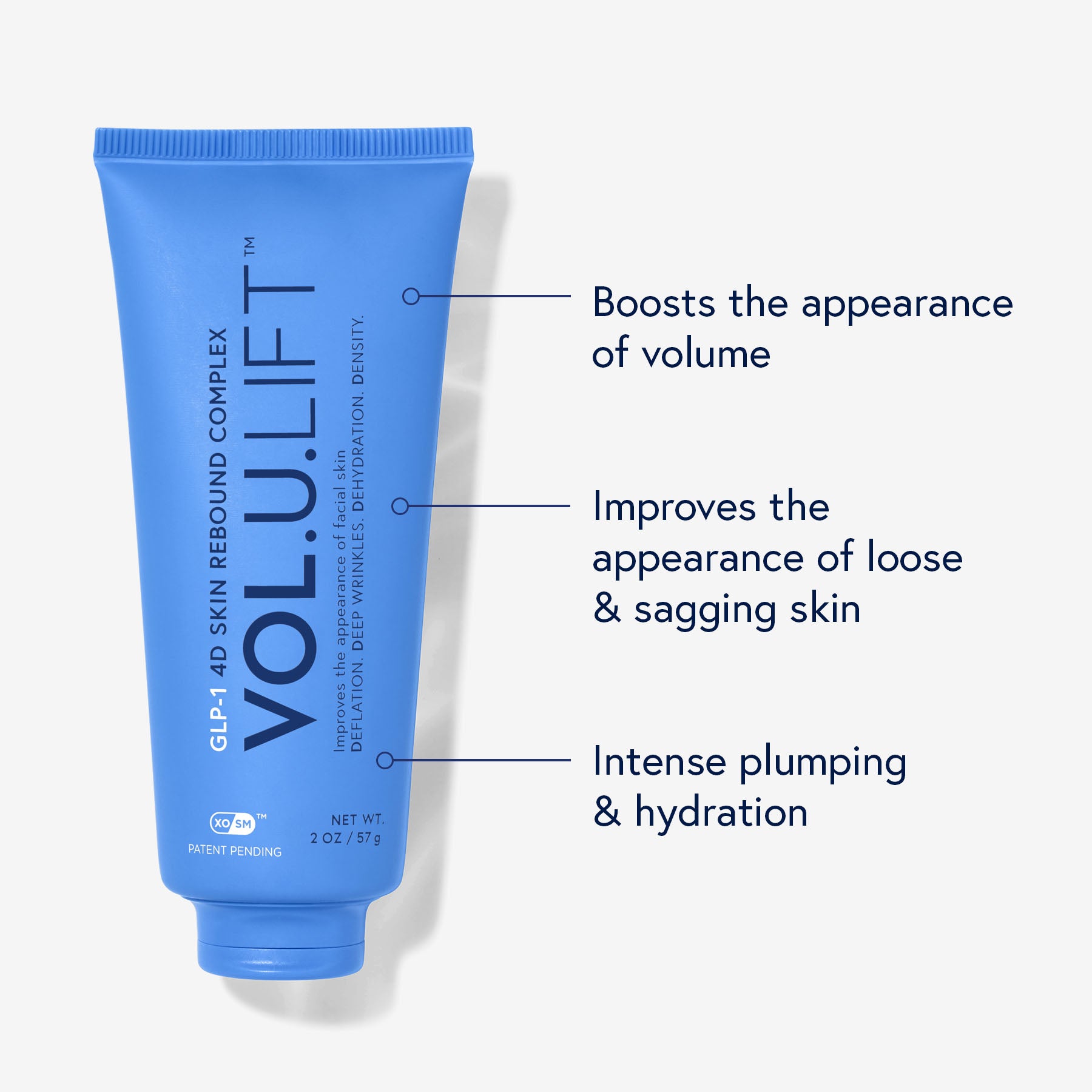
Rebound & Restore GLP-1 Facial Skin
NEW! First-to-market treatment developed for facial changes due to rapid weight loss
SHOP NOW
Our skin is the body’s largest organ, and it works tirelessly to protect us from environmental stressors, regulate temperature, and reflect our overall health. As we age, however, factors like sun exposure, pollution, and natural collagen loss can leave our skin looking dull, dry, or prone to fine lines. Enter the humble yet powerful anti-aging face cream—a staple in skincare routines worldwide. More than just a moisturizer, these creams are formulated to hydrate, protect, and rejuvenate, helping to maintain a smooth, youthful complexion. In this in-depth guide, we’ll explore everything you need to know about hydrating anti-aging face creams, from their key ingredients to how to incorporate them into your daily routine for maximum results.
Before diving into the specifics of anti-aging creams, it’s essential to understand why hydration is non-negotiable for healthy, youthful skin. Dehydrated skin isn’t just a temporary inconvenience—it can accelerate signs of aging and make existing concerns more noticeable. Here’s why:
- Plumpness and Elasticity: Well-hydrated skin appears fuller and more supple, thanks to water molecules that fill the skin’s outer layers. This plumping effect can minimize the appearance of fine lines and wrinkles, giving the skin a smoother, more youthful look.
- Barrier Function: Hydration strengthens the skin’s natural barrier, which acts as a shield against pollutants, UV rays, and harsh weather. A strong barrier prevents moisture loss and keeps irritants out, reducing redness, sensitivity, and long-term damage.
- Cell Turnover: Hydrated skin supports healthy cell turnover—the process by which old, dead skin cells shed to reveal newer, brighter cells underneath. When skin is dry, this process slows down, leading to a dull, uneven complexion.
- Product Absorption: Dry skin struggles to absorb other skincare products (like serums or treatments) effectively. By first hydrating, you create a receptive canvas that allows active ingredients to penetrate deeper and work better.
Anti-aging face creams are uniquely designed to address both hydration and aging concerns, making them a multitasking powerhouse in any skincare routine.
Not all face creams are created equal. The most effective anti-aging formulas combine hydrating agents with ingredients that target specific signs of aging, like fine lines, loss of firmness, or uneven tone. Here’s a breakdown of the must-have ingredients to seek out:
- Hyaluronic Acid: A naturally occurring molecule in the skin, hyaluronic acid can hold up to 1,000 times its weight in water. It draws moisture from the air into the skin, plumping it from within and reducing the look of dryness-induced wrinkles.
- Glycerin: A humectant that attracts water to the skin’s surface, glycerin helps maintain hydration levels and strengthens the skin barrier. It’s gentle enough for all skin types, including sensitive skin.
- Ceramides: These lipids (fats) are key components of the skin barrier. They lock in moisture, protect against environmental damage, and reduce transepidermal water loss (TEWL)—a major cause of dryness.
- Aloe Vera: Known for its soothing properties, aloe vera delivers a burst of hydration while calming irritation. It’s rich in vitamins and antioxidants that support skin health.
- Retinol (Vitamin A): One of the most studied anti-aging ingredients, retinol stimulates collagen production, speeds up cell turnover, and fades dark spots. It’s effective for reducing fine lines, wrinkles, and uneven texture, but it can be drying, so pairing it with hydrating ingredients is crucial.
- Peptides: These short chains of amino acids (the building blocks of proteins) signal the skin to produce more collagen and elastin, improving firmness and elasticity. They’re gentle enough for daily use and work well with other ingredients.
- Vitamin C: A potent antioxidant, vitamin C protects the skin from free radical damage (caused by UV rays and pollution) and brightens the complexion by inhibiting melanin production. It also boosts collagen synthesis, making it a versatile anti-aging ally.
- Niacinamide (Vitamin B3): This multitasker reduces redness, minimizes pores, and strengthens the skin barrier. It also helps fade hyperpigmentation and improves the skin’s ability to retain moisture, making it ideal for combination or acne-prone skin.
- Hyaluronic Acid (Dual Role): Beyond hydration, hyaluronic acid supports collagen production over time, contributing to long-term firmness.
- Green Tea Extract: Packed with antioxidants called catechins, green tea extract fights free radicals and reduces inflammation, making it great for sensitive or sun-damaged skin.
- Shea Butter: A rich emollient that softens and smooths the skin, shea butter is ideal for dry or mature skin. It’s also anti-inflammatory, helping to calm redness or irritation.
- Jojoba Oil: Similar in composition to the skin’s natural sebum, jojoba oil balances oil production (yes, even for oily skin!) while providing lightweight hydration.
The best anti-aging face cream for you depends on your skin type. Using a formula that doesn’t suit your needs can lead to greasiness, dryness, or irritation. Here’s how to select the perfect match:
Dry skin craves rich, nourishing formulas that lock in moisture. Look for creams with:
- Thick, creamy textures (avoid lightweight lotions).
- Ingredients like hyaluronic acid, ceramides, shea butter, and glycerin.
- Added oils (like argan or avocado oil) for extra hydration.
- Avoid alcohol-based formulas, which can strip moisture.
Oily skin needs hydration too, but heavy creams can clog pores. Opt for:
- Oil-free, non-comedogenic (won’t clog pores) formulas.
- Gel-cream textures that absorb quickly without greasiness.
- Ingredients like hyaluronic acid, niacinamide, and vitamin C (which regulate oil production).
- Avoid heavy oils or mineral oil, which can trigger breakouts.
Combination skin (oily in the T-zone, dry elsewhere) benefits from balanced formulas:
- Lightweight yet nourishing creams that hydrate without heaviness.
- Ingredients like glycerin, hyaluronic acid, and niacinamide (to balance oil and moisture).
- Apply a bit more product to dry areas (cheeks, jawline) and less to the T-zone.
Sensitive skin requires gentle, fragrance-free formulas to avoid irritation:
- Hypoallergenic creams with minimal ingredients.
- Ceramides, aloe vera, and colloidal oatmeal (soothing and barrier-strengthening).
- Avoid retinol, strong acids, or artificial fragrances, which can cause redness.
Mature skin often needs extra support for collagen loss and moisture retention:
- Rich creams with a blend of hydrators (hyaluronic acid, ceramides) and anti-agers (retinol, peptides).
- Antioxidants like vitamin C or green tea extract to combat environmental damage.
- Look for “firming” or “rejuvenating” labels, which indicate targeted formulas.
To get the most out of your face cream, it’s important to use it correctly. Here’s a step-by-step guide to building a routine around your anti-aging cream:
- Cleanse: Start with a gentle, pH-balanced cleanser to remove overnight oils and impurities without stripping the skin. Avoid hot water, which can dry out skin.
- Tone (Optional): Use an alcohol-free toner to rebalance the skin’s pH and prep it for product absorption. Look for toners with hyaluronic acid or rose water for added hydration.
- Serum: Apply a lightweight serum with active ingredients like vitamin C (for brightening and protection) or hyaluronic acid (for extra moisture). Serums have smaller molecules than creams, so they penetrate deeper.
- Eye Cream: Gently pat an eye cream around the orbital bone to target fine lines, dark circles, or puffiness. Look for peptides or caffeine for best results.
- Anti-Aging Face Cream: Warm a pea-sized amount of cream between your palms, then press it into the skin (don’t rub) to lock in moisture and nutrients. Pay extra attention to dry areas or places with visible lines (forehead, around the mouth).
- Sunscreen: Finish with a broad-spectrum SPF 30+ sunscreen. This step is non-negotiable—UV rays are the biggest cause of premature aging, and some anti-aging ingredients (like retinol or vitamin C) can increase sun sensitivity.
- Double Cleanse (If Wearing Makeup/Sunscreen): Start with an oil-based cleanser to dissolve sunscreen, makeup, and excess oil, then follow with a water-based cleanser to remove remaining impurities.
- Exfoliate (2–3 Times a Week): Use a chemical exfoliant (AHAs like glycolic acid or BHAs like salicylic acid) to remove dead skin cells and boost product absorption. Avoid physical scrubs, which can irritate the skin.
- Treatment Serum: Apply a serum with retinol, peptides, or niacinamide to target specific concerns while you sleep (when skin repairs itself). Start with retinol 2–3 times a week to avoid dryness, gradually increasing frequency.
- Eye Cream: Repeat the eye cream step to nourish the delicate eye area overnight.
- Anti-Aging Face Cream: Use a richer version of your cream (or the same one, depending on your skin’s needs) to seal in treatments and provide intense hydration while you sleep
- .https://www.amazon.com/MrCuvaryas-cream-smooth-hydrating-moisturizing/dp/B0DCZ8L8SN/ref=sr_1_2?crid=1GQQRPGJJ0GLN&dib=eyJ2IjoiMSJ9.799i2Q-77YCiu7sBoea-_QKcmtL5SXF7lijV9oVw-NHQNtlNN3gwj4z1mScOO1ULBS7QoKJdV9dGsU3U2hEGGSx8SLhTf1nG31bZ7o__VSeLnPYNkmEAY31MoJ4JSTahuargRemo9J-9tavYJRJvFP-oF0mwAp7u8EiIiCIby1SeGj9I7wtdSse47mI1NH6Kqp5vsJayrBO89p8aM-XCWXzv3PYqKP6_LcKzsYV3hx8OIO36U_pu_5wfLIl_j2hkRhFYPT3oGI3HZwv76zFpwjQG2OIowXDSWD5kkNFq358.Z-AiPTqMvFp4bV7qlo0Lczn3cMoZI0fUmvuZw-Rdre8&dib_tag=se&keywords=anti-aging+face+cream&qid=1754884046&sprefix=anti-aging+face+cream%2Caps%2C385&sr=8-2
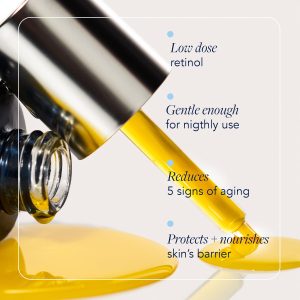
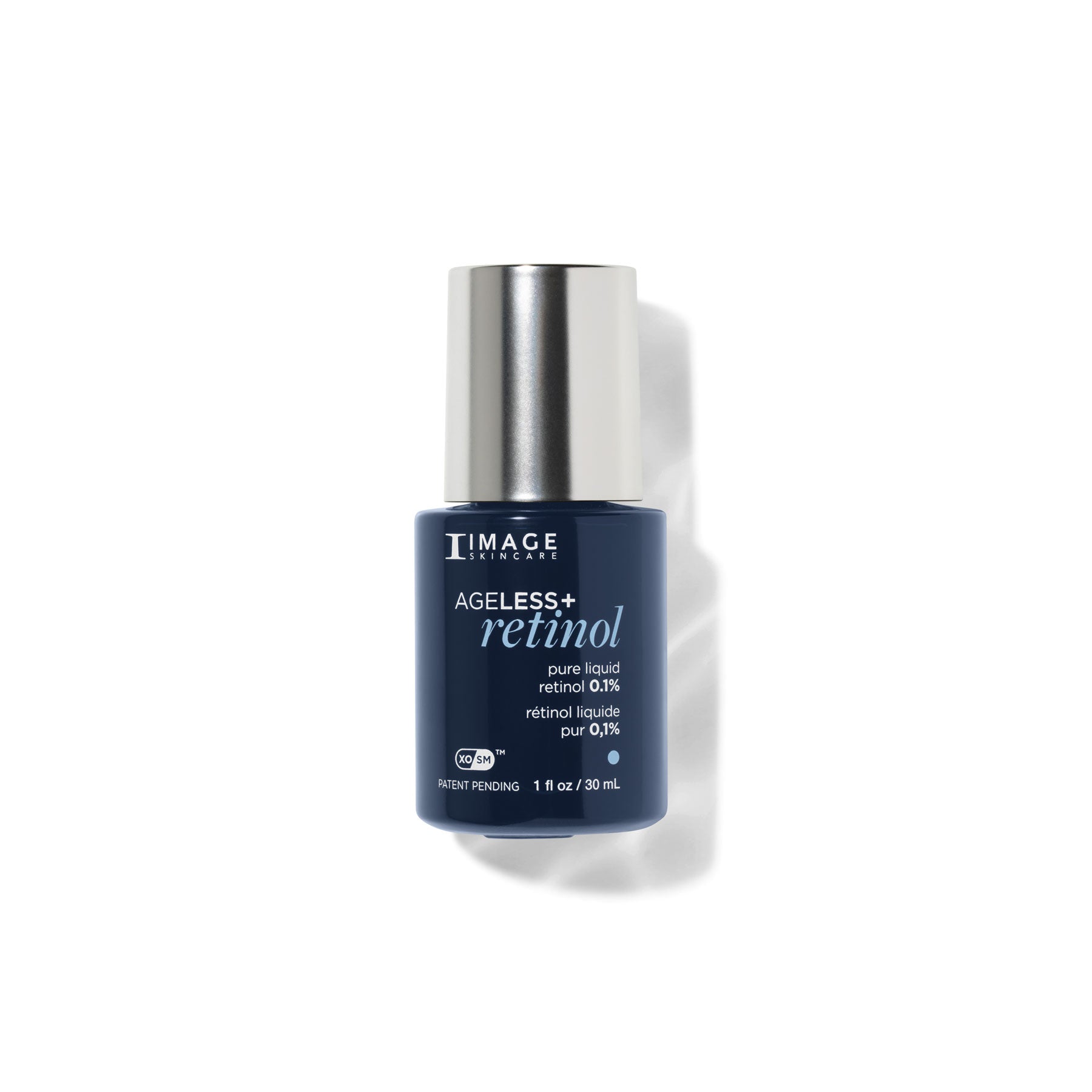
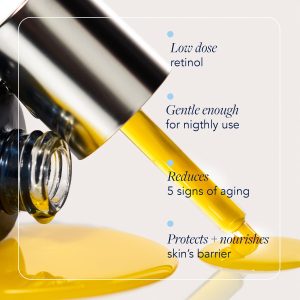
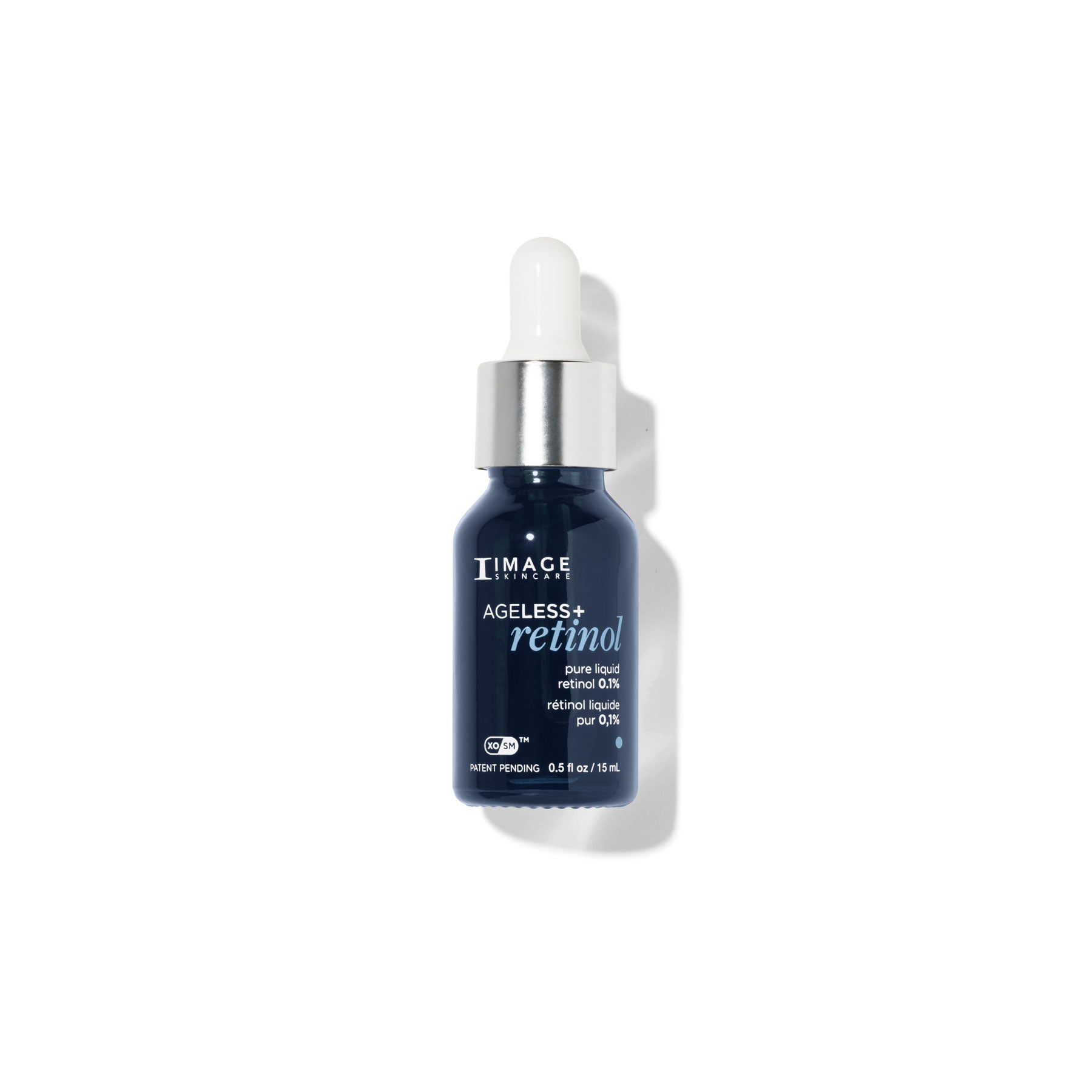
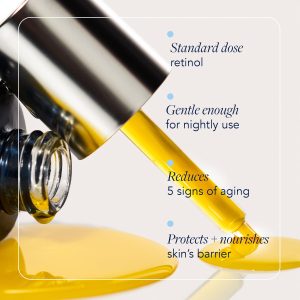
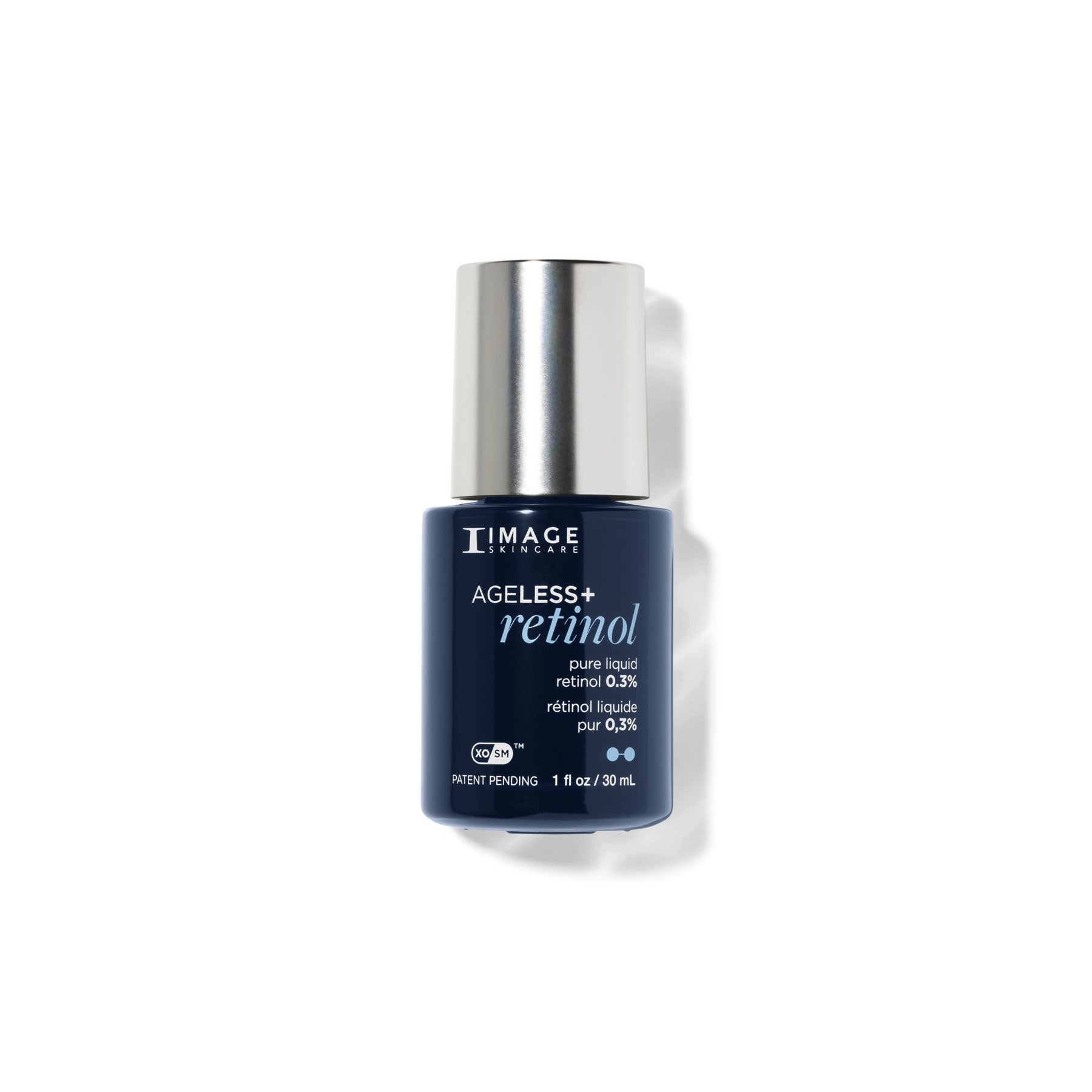
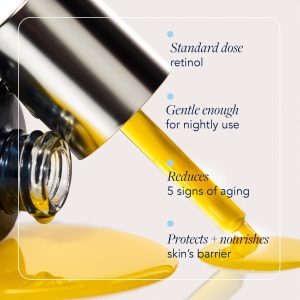
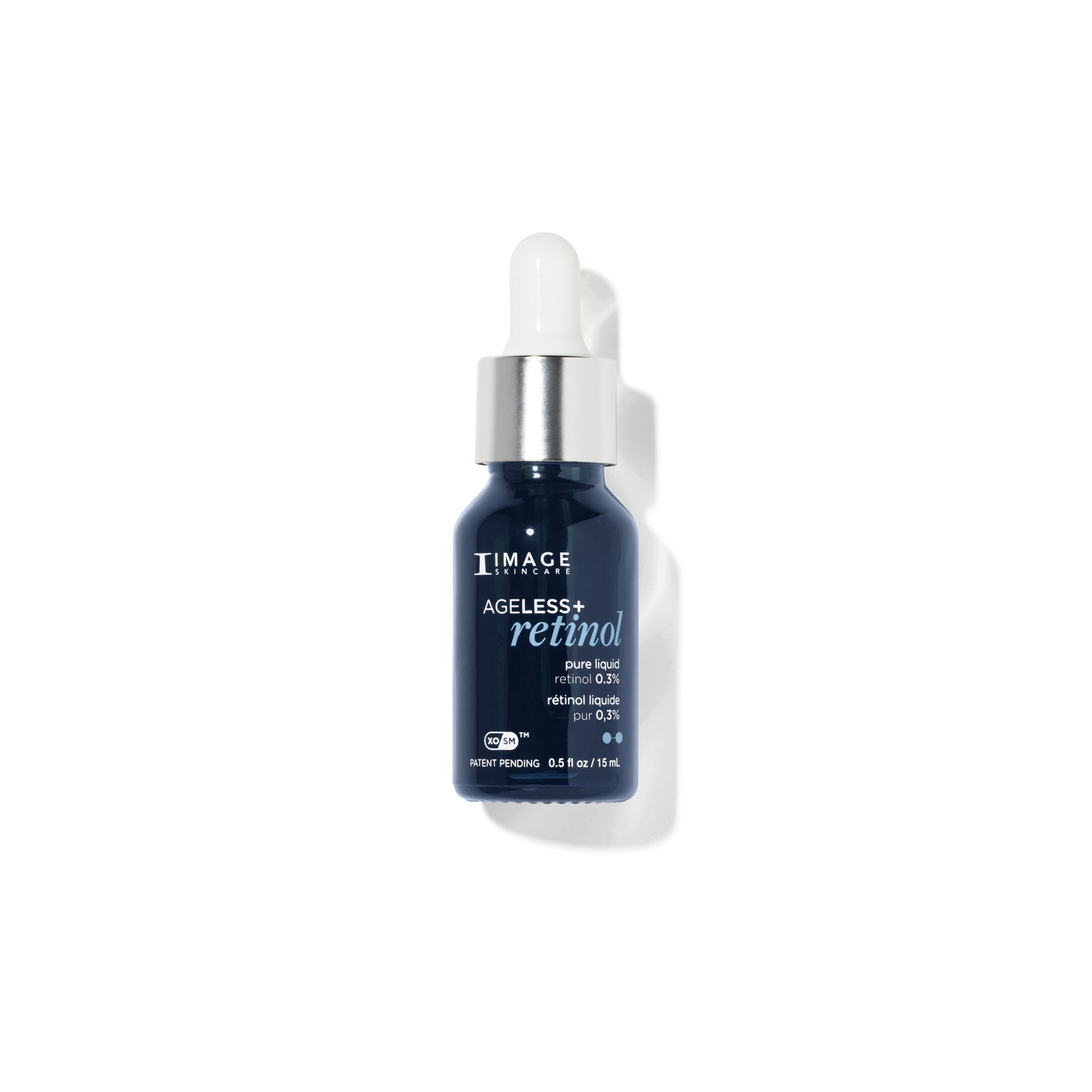
Liquid retinols in 3 strengths
Target signs of aging at every stage with 3 progressive strengths—gentle enough for nightly use, powerful enough to deliver visible results.
SHOP LIQUID RETINOLS
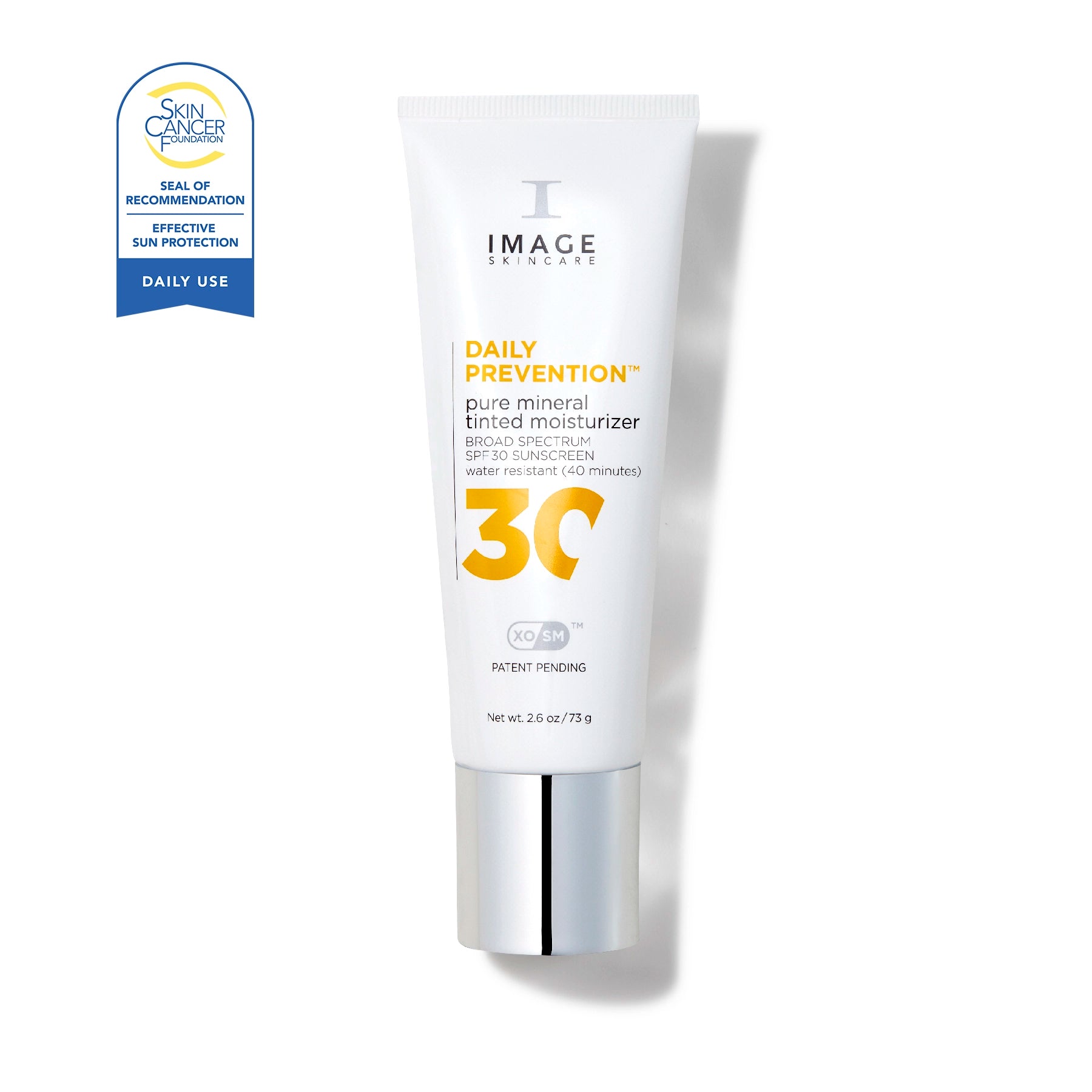
Undetectable protection
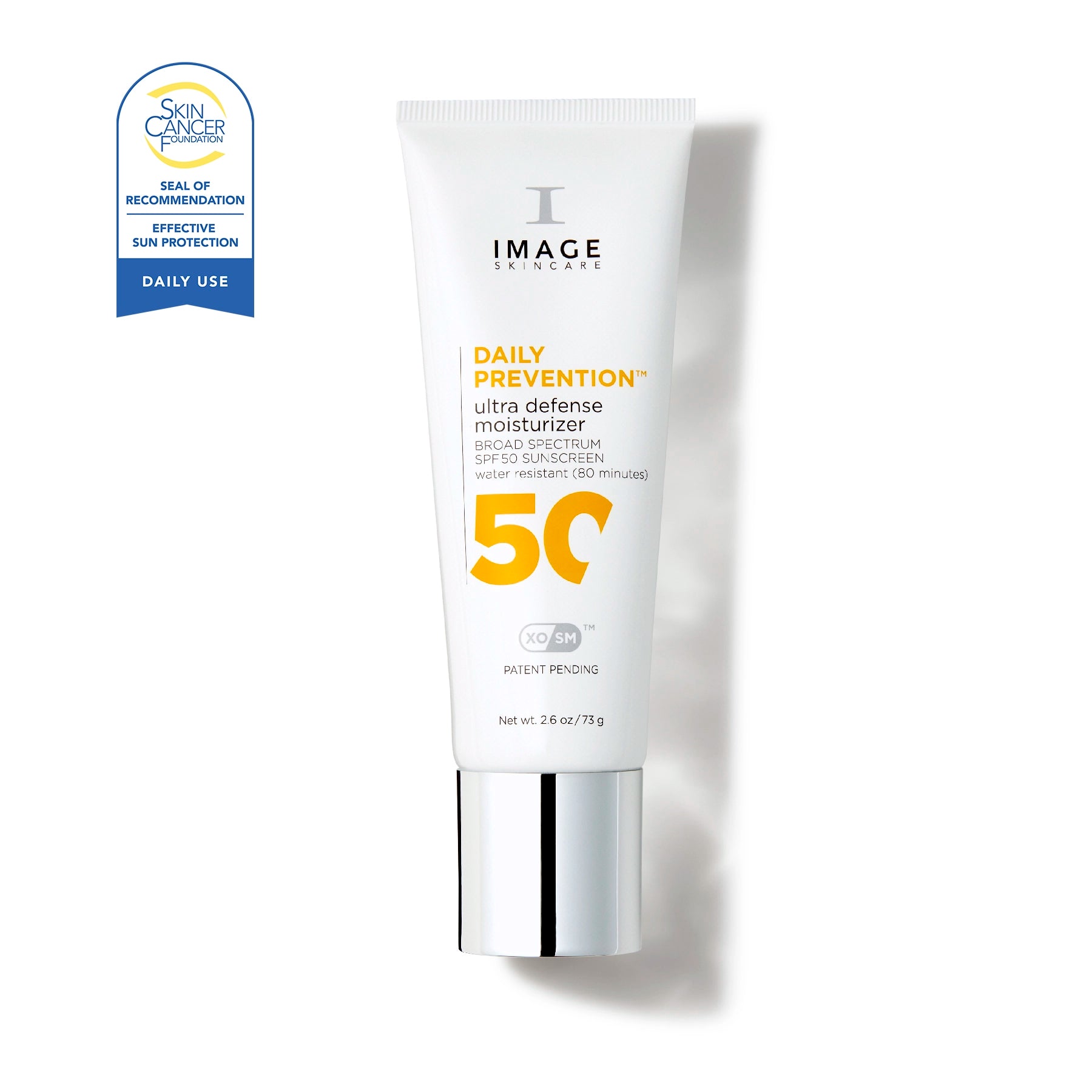
Aradiant SPF moisturizer with XOSM”Technology.A daytime essential when using retinol nightly to shield skin from UV damage.
SHOP ULTRA SPF
Nightly step-up retinol crèmes
Formulated at intentional concentrations to step up as skin becomes acclimated, or step down as needed. Gentle enough to be used every night.
SHOP RETINOL CRÈMES
Trial liquid + crème retinols
Discover your ideal retinol routine.This trial kit lets you experience both crème and liquid formulas,so you can find the texture and strength that’s just right for your skin.
TRY THEM ALL
Not Sure Where to Begin?
Take the Retinol Quiz to discover the ideal retinol solution to incorporate into your evening routine
SHOP NOW
Liquid retinols in 3 strengths
Target signs of aging at every stage with 3 progressive strengths—gentle enough for nightly use, powerful enough to deliver visible results.
SHOP LIQUID RETINOLS
Undetectable protection
Aradiant SPF moisturizer with XOSM”Technology.A daytime essential when using retinol nightly to shield skin from UV damage.
SHOP ULTRA SPF
Nightly step-up retinol crèmes
Formulated at intentional concentrations to step up as skin becomes acclimated, or step down as needed. Gentle enough to be used every night.
SHOP RETINOL CRÈMES
Trial liquid + crème retinols
Discover your ideal retinol routine.This trial kit lets you experience both crème and liquid formulas,so you can find the texture and strength that’s just right for your skin.
TRY THEM ALL
Not Sure Where to Begin?
Take the Retinol Quiz to discover the ideal retinol solution to incorporate into your evening routine
SHOP NOW
$91.00 Original price was: $91.00.$18.20Current price is: $18.20.
$84.00 Original price was: $84.00.$16.80Current price is: $16.80.
$46.00 Original price was: $46.00.$9.20Current price is: $9.20.
$40.00 Original price was: $40.00.$8.00Current price is: $8.00.
$9.00 Original price was: $9.00.$1.80Current price is: $1.80.
$54.00 Original price was: $54.00.$10.80Current price is: $10.80.
$126.00 Original price was: $126.00.$25.20Current price is: $25.20.
$94.00 Original price was: $94.00.$18.80Current price is: $18.80.
$94.00 Original price was: $94.00.$18.80Current price is: $18.80.
$54.00 Original price was: $54.00.$10.80Current price is: $10.80.
$98.00 Original price was: $98.00.$19.60Current price is: $19.60.
$56.00 Original price was: $56.00.$11.20Current price is: $11.20.
$134.00 Original price was: $134.00.$26.80Current price is: $26.80.
$54.00 Original price was: $54.00.$10.80Current price is: $10.80.
$29.00 Original price was: $29.00.$5.80Current price is: $5.80.
$57.00 Original price was: $57.00.$11.40Current price is: $11.40.
$13.00 Original price was: $13.00.$2.60Current price is: $2.60.
$29.00 Original price was: $29.00.$5.80Current price is: $5.80.
$75.00 Original price was: $75.00.$15.00Current price is: $15.00.
$49.00 Original price was: $49.00.$9.80Current price is: $9.80.
$91.00 Original price was: $91.00.$18.20Current price is: $18.20.
$84.00 Original price was: $84.00.$16.80Current price is: $16.80.
$46.00 Original price was: $46.00.$9.20Current price is: $9.20.
$40.00 Original price was: $40.00.$8.00Current price is: $8.00.
$9.00 Original price was: $9.00.$1.80Current price is: $1.80.
$54.00 Original price was: $54.00.$10.80Current price is: $10.80.
$126.00 Original price was: $126.00.$25.20Current price is: $25.20.
$94.00 Original price was: $94.00.$18.80Current price is: $18.80.
$94.00 Original price was: $94.00.$18.80Current price is: $18.80.
$54.00 Original price was: $54.00.$10.80Current price is: $10.80.
$98.00 Original price was: $98.00.$19.60Current price is: $19.60.
$56.00 Original price was: $56.00.$11.20Current price is: $11.20.
$134.00 Original price was: $134.00.$26.80Current price is: $26.80.
$54.00 Original price was: $54.00.$10.80Current price is: $10.80.
$29.00 Original price was: $29.00.$5.80Current price is: $5.80.
$57.00 Original price was: $57.00.$11.40Current price is: $11.40.
$13.00 Original price was: $13.00.$2.60Current price is: $2.60.
$29.00 Original price was: $29.00.$5.80Current price is: $5.80.
$75.00 Original price was: $75.00.$15.00Current price is: $15.00.
$49.00 Original price was: $49.00.$9.80Current price is: $9.80.
New! Build Your Own Travel Kit
Save 15% + receive a free cosmetic bag.
Cleanse, treat, protect, and repair-your complete daily travel-size ritual
CREATE YOUR KIT
PREP SKIN FOR THE SEASONAL SHIFT
Barrier balancing gifts
Spend $10, receive a Self-Care Set on us
TAKE A CLOSER LOOK
New! Build Your Own Travel Kit
Save 15% + receive a free cosmetic bag.
Cleanse, treat, protect, and repair-your complete daily travel-size ritual
CREATE YOUR KIT
PREP SKIN FOR THE SEASONAL SHIFT
Barrier balancing gifts
Spend $10, receive a Self-Care Set on us
TAKE A CLOSER LOOK
Most Loved by Our Community
Peel to reveal your best skin
Autumn is the ideal season to refresh and reset skin with an IMAGE professional peel, then amplify results with nightly retinol.
SHOP NOW
Peel to reveal your best skin
Autumn is the ideal season to refresh and reset skin with an IMAGE professional peel, then amplify results with nightly retinol.
SHOP NOW
The IMAGE Edit